
.webp)
Project Quiet: Navigating New Zealand’s Changing Construction Compliance Landscape
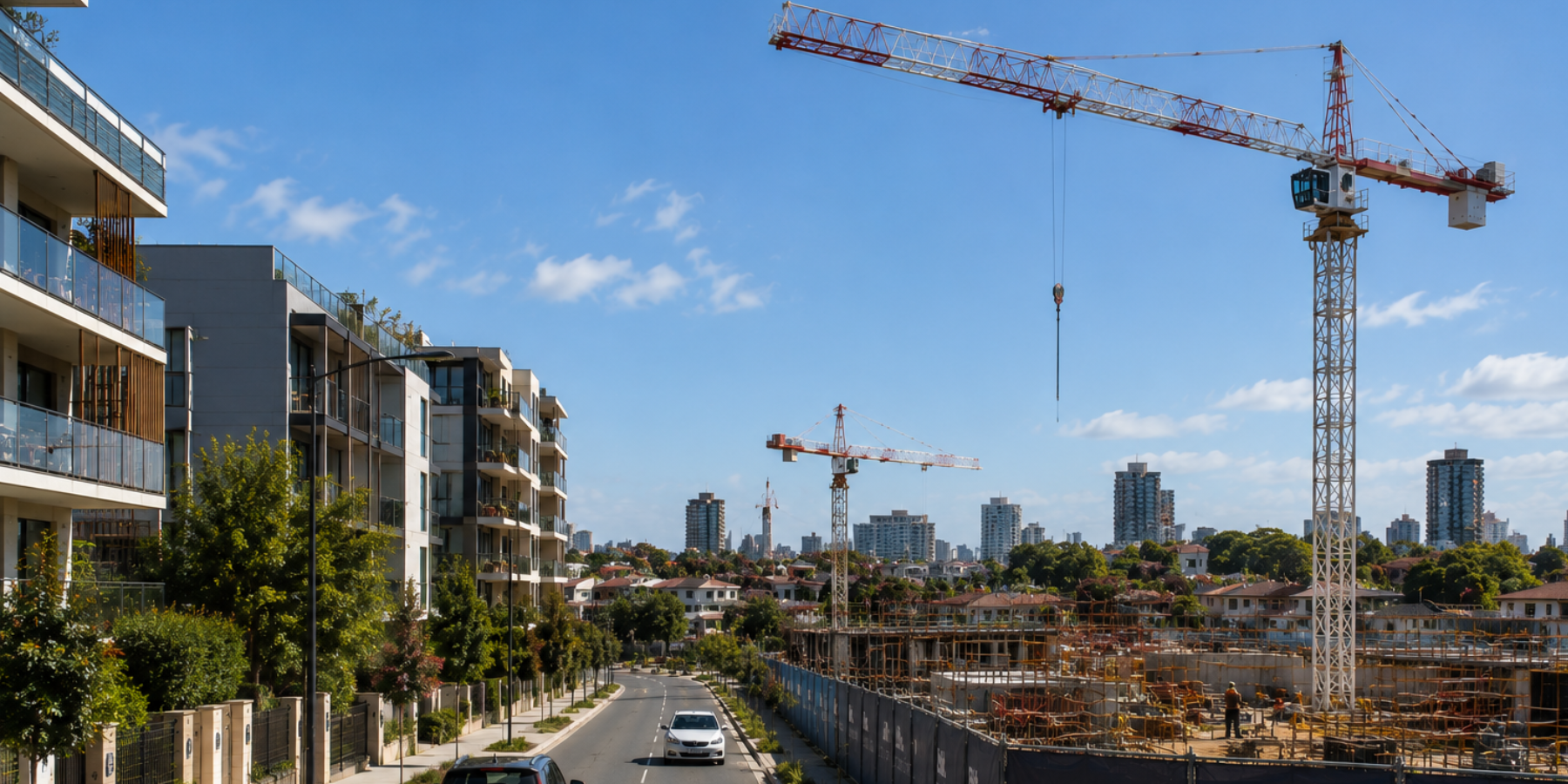
As New Zealand approaches the halfway point of 2026, the construction industry is accelerating rapidly. Large-scale infrastructure projects, urban redevelopment and high-density residential builds are reshaping metropolitan centres across the country. From Auckland’s City Rail Link and Waikato growth corridor developments to transport upgrades across Wellington and Christchurch, construction activity is increasingly taking place closer to homes, businesses and communities than ever before.
In this environment, the traditional “blind” approach to managing dust and noise is no longer just a project risk — it has become a significant operational and financial liability.
The Rise of the “Active Neighbour”
New Zealand’s urban landscape is evolving rapidly. Across Auckland, Hamilton, Wellington and Christchurch, construction sites are now operating alongside apartment developments, retail precincts, schools, hospitals and growing suburban communities. At the same time, hybrid working arrangements and increased urban density mean more residents are spending time at home during active construction hours. This has led to growing community awareness around environmental disruption, particularly relating to construction noise, airborne dust and vibration.
As a result, complaints are increasingly being escalated through councils and regional authorities across both the North and South Island. Whether it is Auckland Council, Hamilton City Council, Wellington City Council or Environment Canterbury, regulators are facing increasing pressure to respond quickly to community concerns and environmental nuisance reports.
A single complaint can now trigger formal investigations, compliance reviews or site inspections. Without reliable environmental monitoring data, contractors are often placed on the defensive — risking delays, reputational damage and operational disruption while complaints are assessed.
The Financial Risk of "Flying Blind"
In today’s construction environment, environmental complaints are no longer just an administrative inconvenience — they can have a direct impact on project delivery, budgets and stakeholder confidence.
Project Delays and Work Disruptions:
Stop-work instructions, compliance investigations, or delays caused by unresolved complaints can quickly escalate costs and impact delivery timelines.
Contractual and Commercial Risk:
Delayed milestones and project interruptions may trigger contractual penalties, increased labour costs and additional overheads, particularly on large-scale infrastructure and urban development projects.
Reputational Impact:
Contractors that fail to manage environmental impacts effectively risk damaging relationships with councils, developers, project partners and surrounding communities, potentially impacting future tender opportunities and project approvals.
In highly active construction markets such as Auckland, Hamilton, Wellington and Christchurch, the traditional “wait-and-see” approach to environmental management is becoming increasingly unsustainable.
From Reactive Defence to Proactive Verification
Leading construction and infrastructure sites across New Zealand are moving away from reactive complaint management and adopting proactive environmental verification strategies. The approach is simple: if you can measure it, you can manage it before it crosses the site boundary.
This proactive approach replaces subjective disputes with objective, verifiable data. By maintaining a continuous, time-stamped record of environmental conditions, construction teams can quickly validate — or disprove — complaints relating to dust, noise, or environmental impact. This level of transparency helps build trust with councils, regulators and surrounding communities while protecting project timelines and operational continuity.
The Strategy: Smart Sensors as Tactical Site Tools
The most resilient construction sites are increasingly using temporary, connected environmental sensors as tactical tools for site supervisors, rather than relying solely on expensive permanent infrastructure. Solutions such as Vision Intelligence’s EnviroGuard provide live, remote environmental monitoring through a cloud-based dashboard, effectively acting as an early-warning system for construction sites.
Key benefits include:
- Proactive Mitigation: Site managers receive automated SMS alerts as soon as PM10 dust or noise levels begin trending towards threshold limits. This allows teams to activate suppression measures or adjust high-impact activities before complaints escalate.
- Integrated Weather Verification: Dust events are often influenced by regional weather conditions such as strong winds or dry environmental conditions unrelated to site activity. Integrated weather monitoring helps project teams demonstrate compliance and identify when external environmental factors are contributing to elevated readings.
- Remote Oversight: Site managers can access real-time environmental data and historical logs from any device, allowing complaints to be cross-referenced against objective site records within minutes— potentially avoiding lengthy investigations and costly project disruptions.
Building Smarter, Safer and More Compliant Sites
As environmental scrutiny across New Zealand’s construction sector continues to grow, proactive monitoring is rapidly becoming an operational necessity rather than a competitive advantage.
By adopting intelligent environmental monitoring platforms such as EnviroGuard, contractors can reduce compliance risk, minimise costly disruptions and maintain stronger relationships with regulators, developers and local communities.
In a construction environment where a single complaint can disrupt progress, access to reliable, real-time environmental data is no longer optional, it is essential.
.webp)
.webp)
.webp)
.webp)


Keep Reading




Vision Intelligence Australia HQ, Manufacturing and Command Centre is ISO45001 and ISO9001 certified. NZ Company Security Licence 23-113097.

